Footnotes²Plato
-
A Biophilosophical Dialogue: Conversations at the Evolutionary Edge of the Life Sciences
The conversation above occurred earlier today at the end of a two-day conference I cohosted with Spyridon Koutroufinis focused on the revitalization of biophilosophy. You can learn more about it at the Center for Process Studieswebsite. You can find a YouTube playlist of all the talks at this link. Two days of phenomenal presentations of ideas that push at… Read more
Alfred North Whitehead, Ancient Philosophy, Aristotle, autopoiesis, Daniel Dennett, Darwin, Donna Haraway, Extended Mind, Gilles Deleuze, Hegel, Henri Bergson, Modern Philosophy
-
Thinking the Holocaust with Schelling
Originally written in 2013, I decided to slightly revise and repost the following reflections in light of current events. Schelling’s Philosophical Investigations into the Essence of Human Freedom (1809) is a text I have returned to time and again over the years. Short, salty, and bittersweet, its alchemical depths continue to nourish my love of wisdom. Schelling’s core… Read more
-
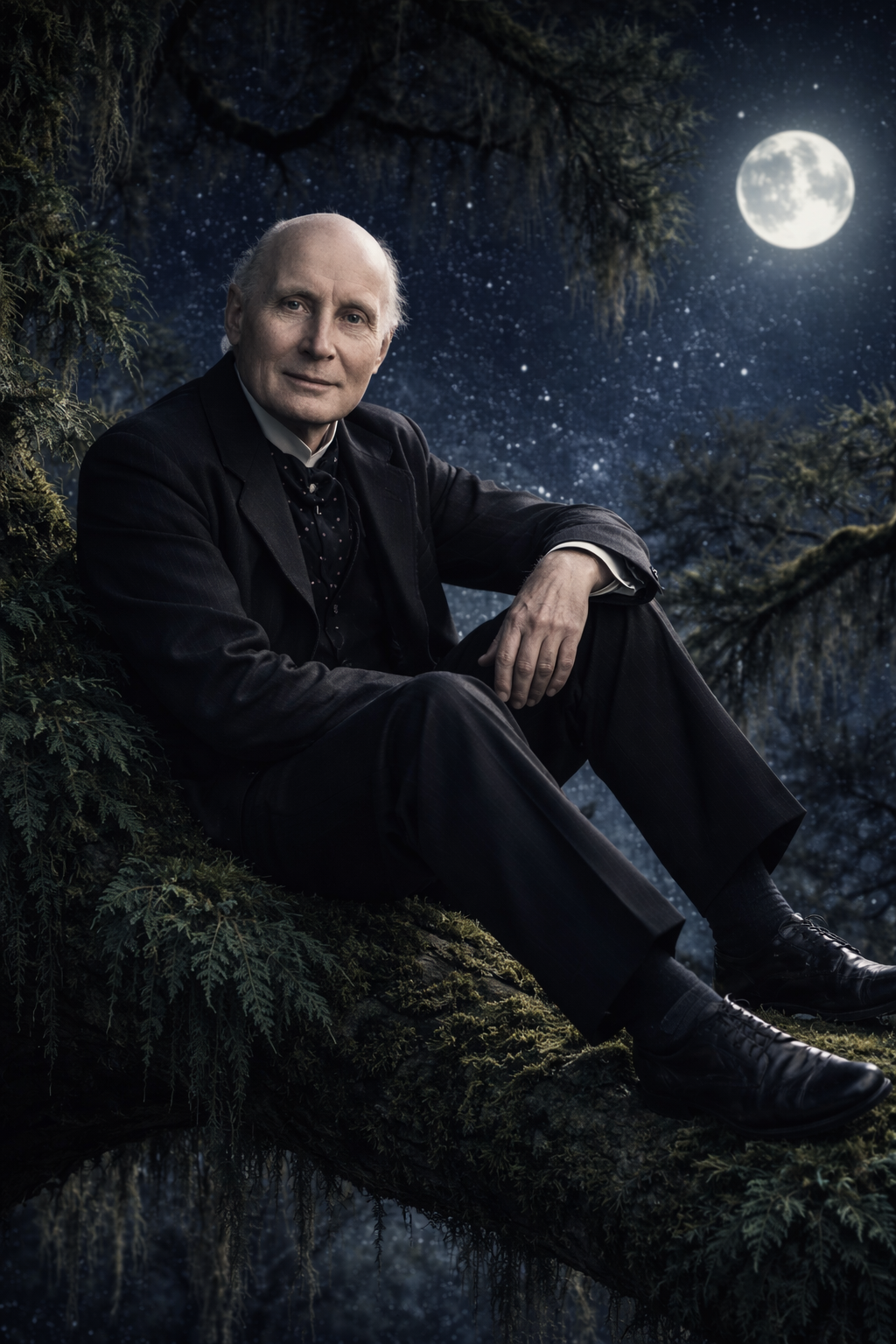
Three Academic Philosophers Sitting In A Tree: S-M-I-L-I-N-G
Just came across this fun reply to my conversation with Pedro and Jack. Gentlemen, your enriching dialogue was as music to my ears and a Dionysian feast of the senses. By Zeus a lot has been covered in this interview, and… Three Academic Philosophers Sitting In A Tree: S-M-I-L-I-N-G Read more
-
Infinite Intimate: Dialoguing with Marc Gafni and Zak Stein
Matt Segall: Hi Marc, pleasure to meet you. Marc Gafni: Good to meet you, Matt. Matt Segall: Really, as I said in my email, it’s an honor and it’s humbling to get to talk to you and Zak. I’ve had a chance to spend a little time with Zak. But yeah, great to connect with you. Where are… Read more
Alfred North Whitehead, Ancient Philosophy, David Chalmers, Heraclitus, imagination, James Hillman, Ken Wilber, Modern Philosophy, Pierre Teilhard de Chardin, poetry, politics, reason, Religion, Romantic Philosophy, Rudolf Steiner, Schelling, William James
-
Whitehead’s Evolutionary Theology: Reflections on Process-Relational Panentheism
Below is a lightly edited, somewhat abridged transcript derived from a conversation I had earlier today with Jack Roycroft-Sherry. You can watch the conversation here. The Polysemic Nature of God What do we learn about God from Whitehead’s metaphysics? This is a difficult question because the term “God” is polysemic. Whitehead has a concept of God… Read more
Alfred North Whitehead, Darwin, Extended Mind, reason, Religion, Romantic Philosophy, Rudolf Steiner
-
In Defense of Participatory Platonism: Dialoging with Tim Jackson about Dan McQuillan’s Critique of Data Science as Machinic Neoplatonism
Tim and I read McQuillan, Dan. Data Science as Machinic Neoplatonism. Philos. Technol. 31, 253–272 (2018). https://doi.org/10.1007/s13347-017-0273-3 Key themes discussed: Transcript: Matt Segall: Hey Tim. Timothy Jackson: Hey, man, how you doing. Matt Segall: Cool sweater—are those sea slugs? Timothy Jackson: Yeah. Nudibranchs. Matt Segall: Nice. Timothy Jackson: Naked gills. Matt Segall: So you are underslept and overread? Timothy Jackson: Oh, yeah, big time. I… Read more
Albert Einstein, Alfred North Whitehead, Ancient Philosophy, Aristotle, autopoiesis, Carl Jung, Catherine Keller, Copernican Revolution, Darwin, Donna Haraway, Galileo, Heidegger, Henri Bergson, imagination, Kant, Modern Philosophy, Plato, politics, reason, Romantic Philosophy, Schelling
“In one sense philosophy does nothing. It merely satisfies the entirely impractical craving to probe and adjust ideas which have been found adequate each in its special sphere of use. In the same way the ocean tides do nothing. Twice daily they beat upon the cliffs of continents and then retire. But have patience and look deeper; and you find that in the end whole continents of thought have been submerged by philosophic tides, and have been rebuilt in the depths awaiting emergence. The fate of humanity depends upon the ultimate continental faith by which it shapes its action, and this faith is in the end shaped by philosophy.”
—Alfred North Whitehead
Site Navigation

Follow me on social media.
© 2006-2026 Matthew David Segall
 Footnotes2Plato